LongevityAnti-Aging
Epithalon: The Pineal Tetrapeptide in Ageing Research
5 min read

Epithalon: The Peptide of the Pineal Gland
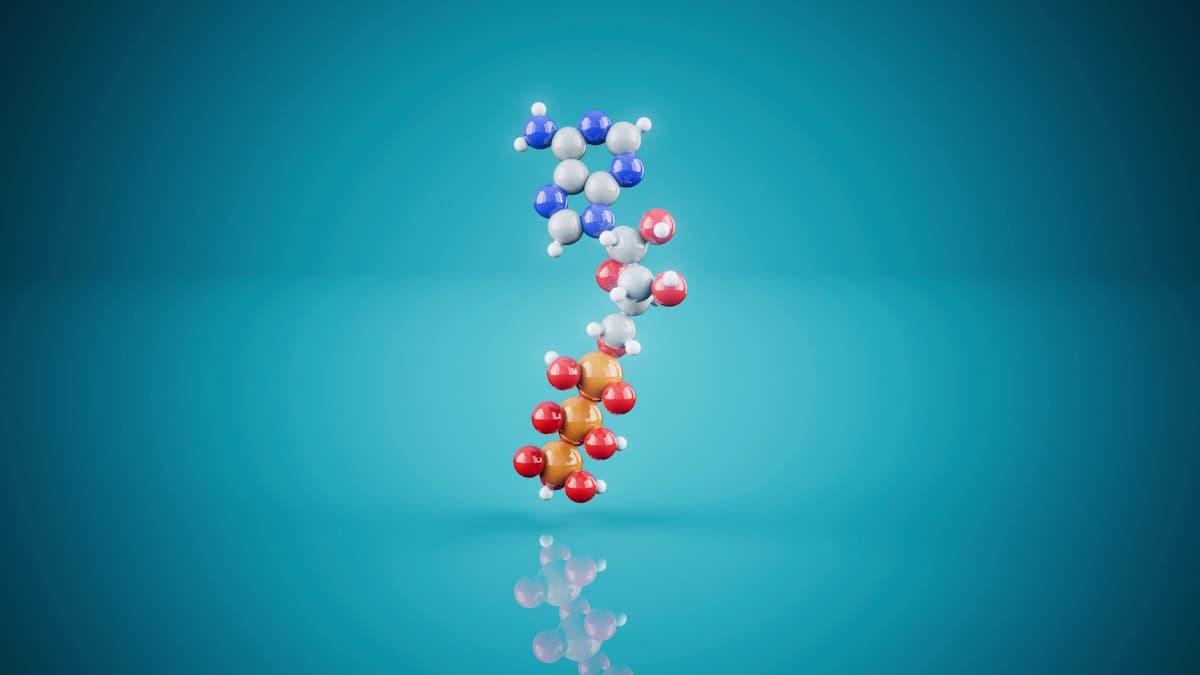
Epithalon (Ala-Glu-Asp-Gly) is a synthetic tetrapeptide isolated and characterised by Russian gerontologist Vladimir Khavinson as the active component of the pineal gland extract Epithalamin. In addition to melatonin, the pineal gland produces a range of further bioactive compounds that are investigated in the context of ageing biology.
Research into Epithalon began in the 1990s at the St. Petersburg Institute of Biogerontology. Since then, numerous preclinical studies have been published, mainly in Russian-language journals.
Telomeres and Telomerase: The Proposed Mechanism
A central hypothesis regarding Epithalon's effect concerns telomere biology. Telomeres are the protective ends of chromosomes that shorten with each cell division — a process regarded as the clock of cellular ageing. Studies by the Khavinson group reported activation of telomerase in cultured cells by Epithalon and elongated telomeres in animal models.
These findings are scientifically interesting but must be interpreted with caution, as independent replication studies are largely absent.
Melatonin Modulation and Circadian Research
Epithalon has also been studied in the context of melatonin secretion. Some studies described a normalisation of age-related decline in melatonin synthesis. Since melatonin is central to circadian rhythmicity, this represents an interesting research avenue. Studien Peptide offers Epithalon as a high-purity lyophilised tetrapeptide for research purposes.