LongevityMetabolic Health
NAD+ and Mitochondrial Function: What Research Shows in 2026
6 min read
NAD+ and Mitochondria: The Central Axis of Cellular Metabolism
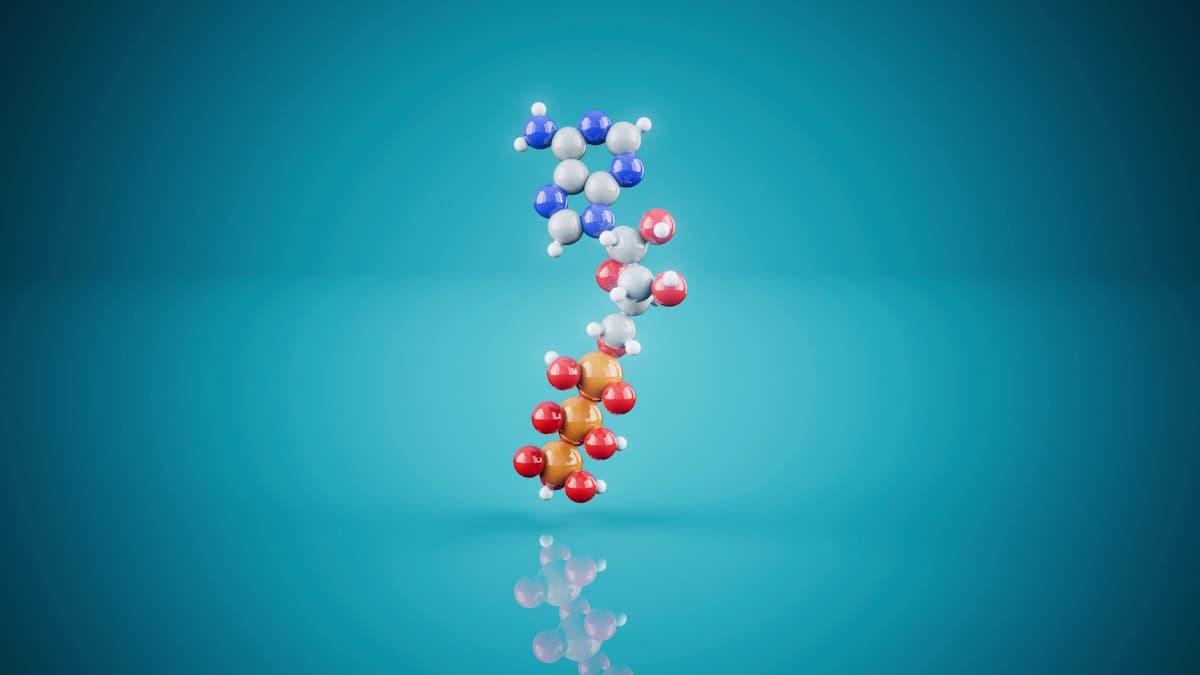
Mitochondria produce over 90 % of cellular ATP and are directly dependent on an adequate NAD+ pool. In the respiratory chain, NAD+ serves as an electron acceptor (reduced to NADH) and must be continuously regenerated. With declining NAD+ levels in old age, mitochondria degenerate more rapidly — an observation referred to as the mitochondrial theory of ageing.
- NAD+ levels decline by approximately 50 % between the ages of 20 and 60
- Over 500 enzymes require NAD+ as a cofactor
- SIRT3 is the most important mitochondrial sirtuin — NAD+ dependent
- Directly measurable in blood: NAD+ and NADH as biomarkers
SIRT3: The Mitochondrial Longevity Enzyme
Among the seven sirtuins, SIRT3 is the only one primarily located in mitochondria. It deacetylates and activates numerous mitochondrial enzymes, including Complex I subunits of the respiratory chain, mitochondrial superoxide dismutase (SOD2) and enzymes of fatty acid oxidation. SIRT3 knockout mice show accelerated mitochondrial dysfunction and elevated reactive oxygen species (ROS).
Current Clinical Studies on NAD+ Precursors
While direct NAD+ supplementation is rarely used due to poor bioavailability, precursors such as NMN (nicotinamide mononucleotide) and NR (nicotinamide riboside) are being intensively studied clinically. A Phase 2 study published in 2023 (Igarashi et al.) showed that NMN can improve insulin sensitivity in postmenopausal women with excess weight.
NAD+ is not a single supplement — it is a regulatory system. Efficacy depends on how efficiently the cell can utilise NAD+, not just how much is present.- Guiding principle of modern NAD+ research
Direct NAD+ Administration in Research
Intravenous NAD+ administration is used in some clinics for addiction therapy and neurodegeneration, but remains controversial. For research laboratories, direct NAD+ is indispensable as a substrate for enzyme studies, cell culture experiments and biochemical assays. Studien Peptide offers NAD+ as a high-purity lyophilised powder for authorised research applications.