LongevityMetabolic Health
NAD+: The Key Molecule for Cellular Energy and Longevity
6 min read
NAD+ as the Central Molecule of Cellular Metabolism
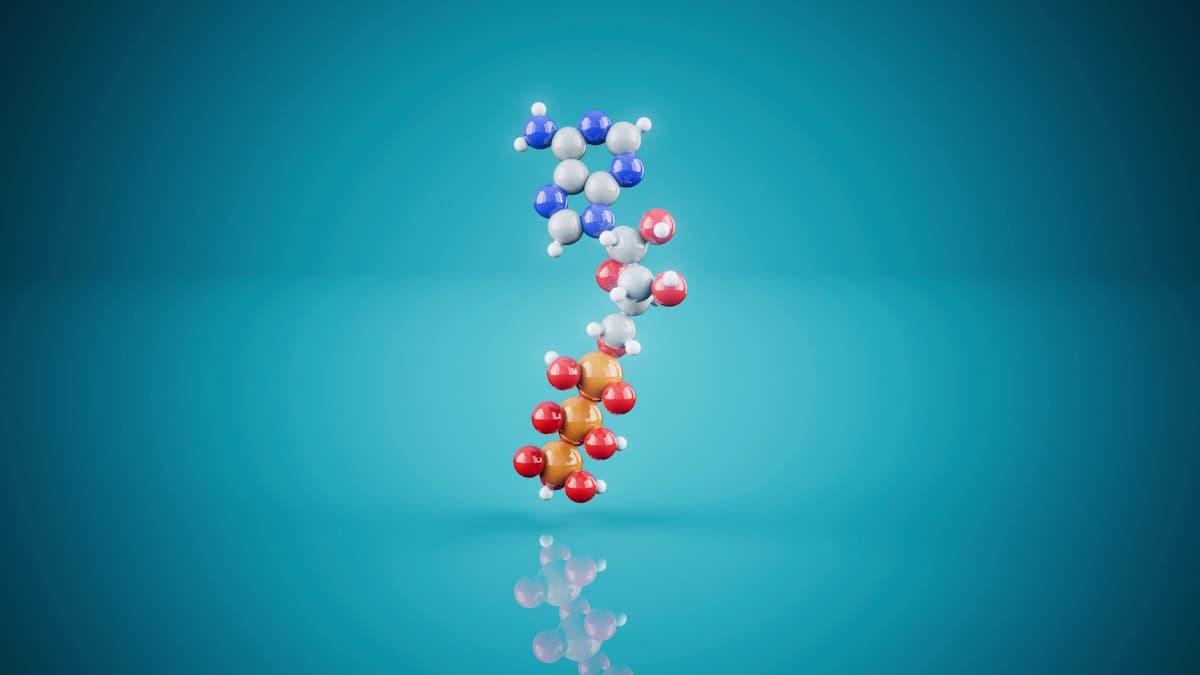
Nicotinamide adenine dinucleotide (NAD+) is far more than a simple coenzyme. As an electron carrier in the respiratory chain and as a substrate for numerous signalling enzymes, NAD+ is involved in over 500 enzymatic reactions. Intracellular NAD+ levels measurably decline with age — a process discussed as a driver of biological ageing.
Rajman, Chwalek and Sinclair published an influential review in Cell Metabolism in 2018 on the therapeutic potential of NAD boosters, systematically examining the link between declining NAD+ levels and age-related diseases including metabolic dysfunction and neurodegenerative conditions.
Sirtuins and PARP: The NAD+-Dependent Key Enzymes
Sirtuins (SIRT1–7) are a family of NAD+-dependent deacetylases that regulate, among other things, cellular metabolism, mitochondrial biogenesis and epigenetic processes. Without sufficient NAD+, sirtuins cannot perform their function. SIRT1 activates PGC-1alpha, a master regulator of mitochondrial biogenesis, and has been intensively studied in caloric restriction research.
PARP enzymes (poly-ADP-ribose polymerases) are also NAD+-dependent and play a central role in DNA strand break repair. With increasing age, PARP activity rises in response to accumulating DNA damage, further depleting the NAD+ pool and creating a vicious cycle of cellular decompensation.
Research Status on Direct NAD+
While most human studies to date have examined NAD+ precursors such as NMN or NR, direct NAD+ is also used as a research compound. The NADPARK study (Brakedal et al., Cell Metabolism 2022) demonstrated measurable increases in cerebral NAD+ metabolism in Parkinson's patients following NR supplementation. Studien Peptide offers NAD+ as a high-purity lyophilisate for authorised research applications.