RegenerationPeptides
TB-500: Thymosin Beta-4 Fragment in Regeneration Research
5 min read
Thymosin Beta-4 and the TB-500 Fragment
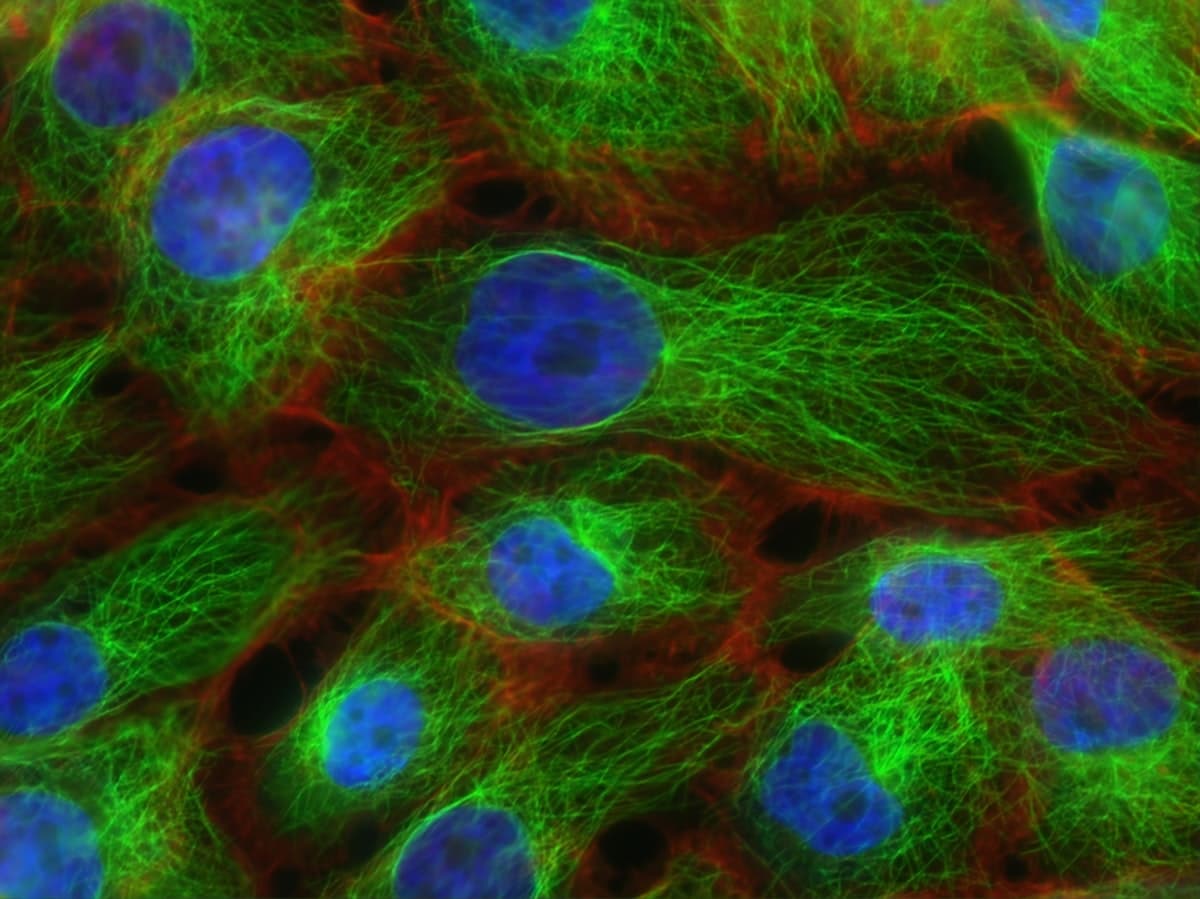
Thymosin Beta-4 (Tβ4) is a small, ubiquitously expressed protein found in virtually every cell of the human body. It plays a central role in regulating actin polymerisation — a fundamental process for cell migration, wound healing and tissue regeneration. TB-500 is a synthetic peptide corresponding to the actin-binding core region of Thymosin Beta-4.
Research into this fragment has shown that it reproduces many of the regenerative properties of the full-length protein while exhibiting improved stability. The sequence Ac-LKKTETQ comprises the key amino acids for biological activity.
Research Findings on Muscle and Cardiac Tissue
A landmark study by Smart et al. in Nature (2011) showed that Thymosin Beta-4 can reactivate quiescent cardiac progenitor cells (epicardial cardiomyocytes) following cardiac injury — a finding that generated considerable interest in developing therapeutic approaches for heart disease.
In the area of muscle healing and tendon injuries, TB-500 has also demonstrated remarkable activity in preclinical models. Promotion of new blood vessel formation in injured tissue and anti-inflammatory properties contribute to an accelerated regeneration process.
State of the Science
TB-500 has established itself as a research subject in sports science — not least because it is listed on the WADA prohibited list for competitive athletes. This underscores scientific interest in its physiological effects. For research purposes, TB-500 is available at Studien Peptide as a high-purity lyophilisate.