SkinRegeneration
GHK-Cu in Wound Healing Research: New Insights on Collagen and Gene Expression
5 min read
GHK-Cu: Far More Than a Beauty Peptide
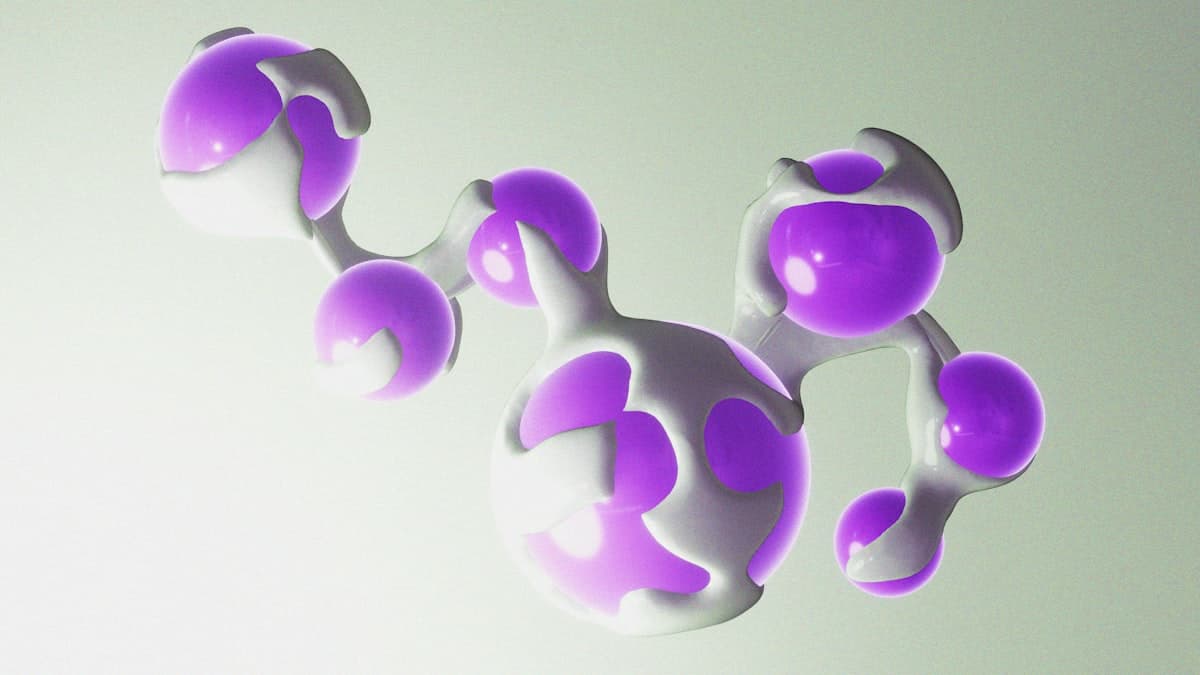
GHK-Cu (Glycyl-L-Histidyl-L-Lysine-Copper) is widely used in the cosmetics industry for anti-ageing products — a circumstance that sometimes obscures the deeper scientific relevance of the peptide. Genomics studies show that GHK-Cu modulates the expression of more than 4,000 human genes, including those for DNA repair, antioxidation and growth factors.
The genomic analysis by Pickart and Margolina (2018) identified GHK-Cu as one of the most potent known natural modulators of gene expression — comparable to retinoids but without their side effect profile.- 💡 Note
Collagen Remodelling: The Molecular Mechanism
GHK-Cu activates both collagen synthesis and the degradation of damaged collagen — an apparently paradoxical finding. The key lies in the coordinated activation of matrix metalloproteinases (MMPs) with simultaneous stimulation of Collagen I, III and IV production in fibroblasts.
- Stimulation of Collagen I and III (structural collagen) in fibroblasts
- Activation of MMP-2 and MMP-9 (degradation of damaged extracellular matrix)
- Increased elastin and proteoglycan synthesis
- Improved keratinocyte migration during wound healing
In Vitro Wound Healing Models
Scratch assays (in vitro wound healing models) consistently show accelerated wound repair under GHK-Cu. The migration of keratinocytes and fibroblasts is significantly accelerated by GHK-Cu, indicating activation of integrins and growth factor signalling pathways.
Outlook: Epigenetic Dimension
New research approaches are investigating whether GHK-Cu can influence epigenetic markers (DNA methylation patterns) — an area of particular importance for longevity research. Initial cell culture studies suggest modification of H3K27 methylation patterns. These findings are preliminary and require replication. Studien Peptide provides GHK-Cu as a high-purity copper peptide complex for research purposes.